Following Lorna Doone in Exmoor: A Literary Heritage Trail
A practical guide to the Exmoor places behind R. D. Blackmore's Lorna Doone, from Badgworthy Water to Oare...

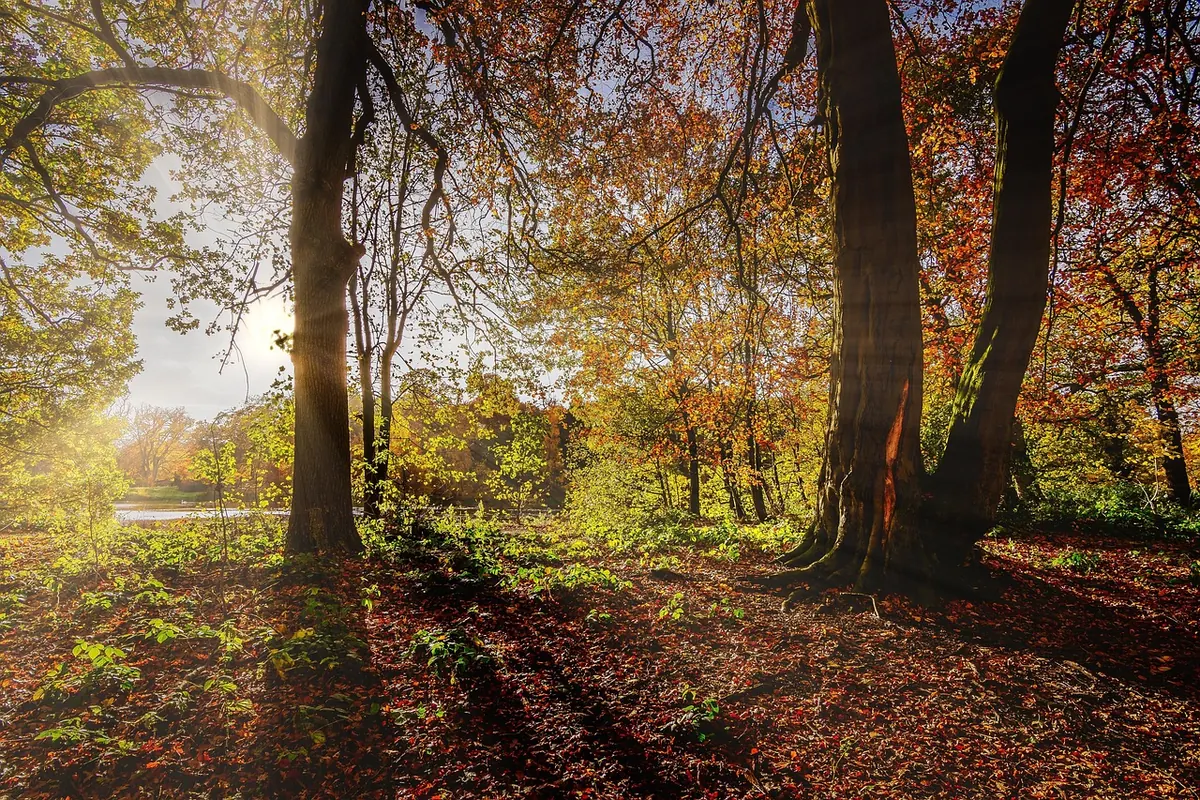
Somerset does not really have an off-season. It has a rotating cast of places that open, bloom, flood, glow and fall quiet in turn, and the trick to enjoying them is knowing which month suits which site. A castle that feels bleak and windswept in February is marvellous in June. A bluebell wood in July is just a wood. Here is a working year of heritage days out, arranged by quarter, with the practical bits baked in.
Spring starts early in the southwest, and February is the month to chase snowdrops. Gardens that shut for winter begin to unlock their gates from mid-February onwards, often with reduced hours and a smaller entry fee. Hestercombe, near Taunton, is a good benchmark: its landscape garden and the Lutyens-Jekyll formal garden look their best from March, when the first colour arrives in the beds.
Easter brings family trails at the big houses — Montacute, Barrington Court, Dunster Castle, Lytes Cary — usually a mix of a puzzle sheet, a muddy walk and a prize that is not worth the negotiation but keeps everyone moving. If you want the houses themselves rather than the grounds, note that some rooms stay shut until late March while conservation work finishes.
Late April into May is bluebell time. The beech woods of the Quantocks and the combes on the Exmoor fringe are the classic spots; go early in the day, keep to the paths, and remember that a bluebell wood trampled by visitors does not come back the same way next year. Dawn chorus walks run at several reserves on the Levels, and they start at hours that feel unreasonable until you are standing in the half-light listening to it.
From June the county switches to full power. Gardens peak, the West Somerset Railway runs a full timetable from Bishops Lydeard to the coast at Minehead, and the East Somerset Railway at Cranmore offers shorter trips that suit small children and short attention spans. Book steam services ahead in August, when seats vanish fast.
This is also the season for outdoor theatre in the grounds of country houses, brass bands on village greens, and the agricultural shows — the Royal Bath and West at Shepton Mallet usually falls around the end of May or start of June, and the smaller local shows follow through the summer. Late June brings the festival traffic around Pilton, which is worth knowing about even if you are only passing through the area.
Practical summer advice: start before ten. Wells Cathedral, Glastonbury Abbey and the Roman Baths in Bath all absorb coach parties by mid-morning, and the difference between a hushed cloister and a crowded one is roughly ninety minutes. Take water on Exmoor and the Quantocks, where the weather turns quickly and paths are steeper than the map suggests.
September is the connoisseur's month. Heritage Open Days, usually the second weekend of the month, throw open churches, civic buildings, mills and private houses that are otherwise closed, all free and mostly staffed by people who actually know the history. Check the listings a fortnight out and build a route; many venues are only open for a single afternoon.
October is apples. Orchard days at National Trust estates and community orchards press juice, identify varieties and sell the sort of cider that has opinions. The Levels and Moors take on their misty, low-slung look, and the starling roost at the Avalon Marshes nature reserves — Ham Wall and Shapwick Heath — begins to build, best seen in the last hour of daylight from November onwards.
Then the carnival season arrives. Bridgwater traditionally opens it on the first Friday of November, followed by Burnham-on-Sea, Glastonbury, Wells, Shepton Mallet and others on successive nights. These are illuminated cart processions, not fairground parades, and they are genuinely one of the county's great spectacles. Wrap up, arrive early to park, and expect to stand.
Winter is for the places that stay open. Wells Cathedral, Glastonbury Abbey, Nunney Castle and the larger town churches carry on year-round, and a frosty morning at a ruin you have entirely to yourself beats a summer queue. Christmas markets in Wells, Glastonbury and Bath fill the first half of December; illuminated garden trails at several estates run through the same weeks and need booking.
January has its own ritual. Wassailing — singing to the apple trees in cider orchards to wake them for the coming year — takes place at orchards across the county, usually with a fire, a lot of noise and a mug of something hot. Somerset's orchards are also known for mistletoe, which is easiest to spot once the leaves are down.
Two winter cautions. Flooding on the Levels and Moors closes lanes with little warning, so check routes before setting out. And the tidal range in the Bristol Channel is enormous: at Weston-super-Mare, Burnham-on-Sea, Brean and Porlock, do not walk out onto the mudflats or follow the water out. The incoming tide moves faster than you can.
Keep a running list of what you want to see and revisit it each quarter, because opening patterns shift year to year and a garden that was shut last February may be open this one. If you are travelling any distance, ring ahead or check the venue's own website rather than a third-party listing — small heritage sites update their own pages far more reliably than anywhere else. And build in a spare hour. The best days out in Somerset are usually the ones where you stop at a churchyard, a mill or a village pub you had not planned on, simply because it looked interesting from the road.
Photo: TimHill / Pixabay
A practical guide to the Exmoor places behind R. D. Blackmore's Lorna Doone, from Badgworthy Water to Oare...
A three-hour plan for Wells Cathedral's highlights, from the west front to the chapter house, plus...
A step-by-step walking route through Dunster's castle, Yarn Market, watermill and old streets, with the...